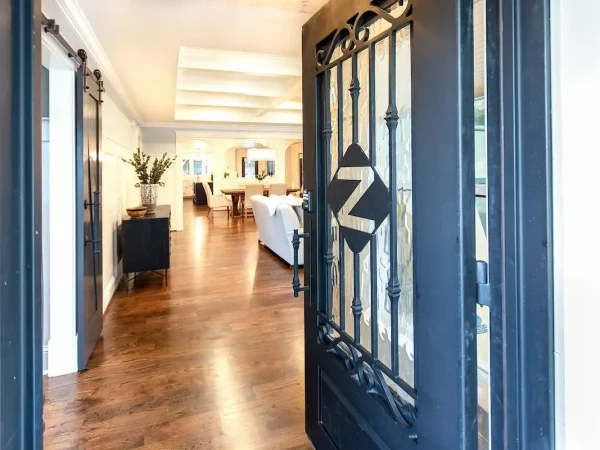
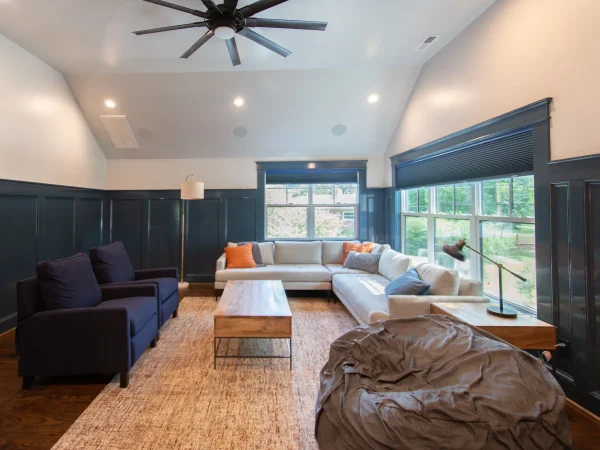
Beyond Color: How Professional Painting…
Choosing Hues: A Comprehensive Color Guide for Interior…

Get Expert Paint Color Advice + A Free Project Estimate!

June 7, 2025 - Updated on February 23, 2026
Interior painting is one of the most effective ways to transform the look and feel of a space. The colors you choose can influence mood, create visual interest, and reflect your style. However, with countless paint colors available, selecting the right hues can be overwhelming. In this comprehensive color guide for interior painting, we will explore key factors to consider when choosing paint colors, popular color trends, and tips for achieving harmonious color schemes that enhance your home’s aesthetic appeal.
Before diving into specific paint colors, it’s essential to understand the basics of color psychology. According to our friends at CertaPro Painters, different colors evoke different emotional responses and can impact the atmosphere of a room. For example:
When choosing paint colors for interior spaces, consider the function of the room and how lighting conditions may affect color perception. For example:
Before committing to a paint color, it’s essential to test paint samples in the actual space to see how they look in different lighting conditions throughout the day. Paint small swatches directly on the walls and observe how they appear in natural light, artificial light, and at night. Consider how the color interacts with other elements in the room, such as furniture, flooring, and decor.
Keep abreast of current color trends and palettes to find inspiration for your interior painting project. While timeless neutrals like white and gray never go out of style, incorporating trendy colors can add a contemporary touch to your home. Some popular color trends for interior painting include:
When selecting paint colors for your home, aim to create harmonious color schemes that flow seamlessly from room to room. Consider the following strategies:
When planning your interior painting project, don’t overlook the importance of trim and ceiling colors. While white is a classic choice for trim and ceilings, consider using complementary or contrasting colors to add visual interest and architectural detail. For example, painting trim in a slightly lighter or darker shade than the wall color can create depth and dimension while painting ceilings in a soft, complementary hue can visually expand the space.
Choosing the right paint colors for interior spaces is a crucial step in creating a cohesive and inviting home environment. By considering factors such as color psychology, room function, lighting, and current trends, you can select paint colors that reflect your style and enhance the mood and atmosphere of each room. Remember to test paint samples, explore color schemes, and pay attention to trim and ceiling colors to achieve a harmonious and visually stunning result. With careful planning and consideration, you can transform your home with a fresh coat of paint that leaves a lasting impression.

Juan Zarazua serves as the President and CEO of Zarazua Painting, bringing 20 years of dedicated service to the company. Under his leadership, Zarazua Painting has become synonymous with quality and excellence in the industry.
Choosing Hues: A Comprehensive Color Guide for Interior…
Drywall Reinforcement: Strengthening Walls for Durability and Longevity…

Budget-Friendly Drywall Solutions: Maximizing Value in Renovations July…

Repairing and Restoring Wooden Structures: Carpentry Solutions for…
Understanding Drywall Fire Ratings: Enhancing Fire Safety in…
5% Off for – Military Personnel